
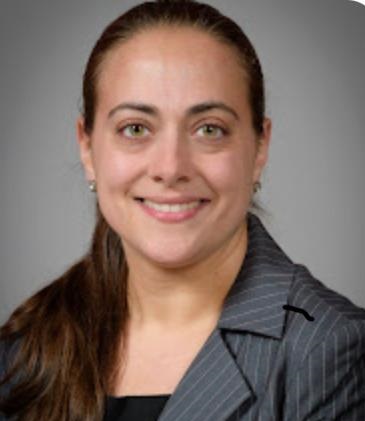
Eleny Romanos Sirakis
Northwell SIUH,
United States
Abstract Title: Supporting Neurodiverse Trainees in Pediatrics: Practical Strategies for Inclusive Training Environments
Biography: Dr. Eleny Romanos-Sirakis, MD, MS, FAAP is the director of pediatric hematology/oncology at Northwell health SIUH and is an associate professor of pediatrics at the zucker school of medicine. In addition to her clinical role, she is a leader in medical education and research. Dr Romanos oversees pediatric resident research at SIUH. She serves as the director of the hospital-wide resident medical educator track as well as the director of pediatric faculty development at SIUH. She is active in various national organizations including the American Academy of Pediatrics and the American Society of pediatric hematology oncology and has held various leadership roles within these organizations. She is an accomplished clinician, author, researcher, leader and educator.
Research Interest: Neurodiversity among medical trainees is increasingly recognized across pediatric training programs worldwide. Trainees who are autistic, have ADHD, learning differences, or other neurodevelopmental variations bring valuable strengths to pediatrics, including attention to detail, pattern recognition, creativity, and deep clinical focus. However, traditional medical training environments often rely on implicit expectations, unstructured feedback, and sensory-intensive settings that can create unintended barriers to learning and professional development. This interactive workshop will provide pediatric educators and clinical supervisors with practical, evidence-informed strategies to support neurodiverse trainees while maintaining high standards of patient care and professionalism. The session will begin with a brief overview of neurodiversity in medical education, emphasizing a strengths-based framework and the distinction between accommodations and lowered expectations. Faculty will discuss common challenges faced by neurodiverse trainees in clinical settings, including communication differences, executive functioning demands, sensory overload, and navigating informal workplace norms. Participants will then engage in case-based discussions drawn from real-world pediatric training scenarios, such as inpatient rounds, outpatient clinics, handoffs, and high-acuity environments. Interactive components will include small-group problem-solving, guided reflection, and audience polling focused on responding to common supervisory dilemmas—such as providing clear expectations, delivering actionable feedback, and supporting trainees during periods of stress or transition. The workshop will address practical accommodations and universal design strategies that benefit all learners, including explicit goal-setting, structured feedback, predictable workflows, and flexible approaches to communication. Attention will be given to legal, ethical, and cultural considerations across international training contexts, as well as strategies for fostering psychological safety and reducing stigma within training programs. By the end of the session, participants will leave with concrete tools, language, and frameworks to create more inclusive pediatric learning environments that support neurodiverse trainees, enhance trainee success, and ultimately strengthen pediatric care delivery globally.